
The Importance of Water Treatment
Whether you utilize steam boilers, make use of cooling towers, need deionized water or something else, water treatment is an important part of making sure your business runs smoothly and efficiently. Failing to treat water correctly can lead to many problems that might cause unwanted plant downtime, premature equipment failure, or a loss of efficiency. Issues related to poorly treated water might be an inconvenience, but is water treatment really necessary? The answer is almost always “yes”! Water that is left untreated, or that is not treated correctly, is susceptible to a number of common water treatment issues that range from trivial to catastrophic. To avoid the latter, and to save yourself some headaches and financial setbacks in the future, water treatment is a must.
What’s in Your Water?
Water treatment issues are varied and many, but a few tend to pop up more commonly than others. All water is different, and many factors determine how your water looks, feels, smells and acts within your water applications. That being said, all water is susceptible to issues if left untreated. Find out what issues we see most commonly, and click the links to find out more about these issues and how you can troubleshoot them.
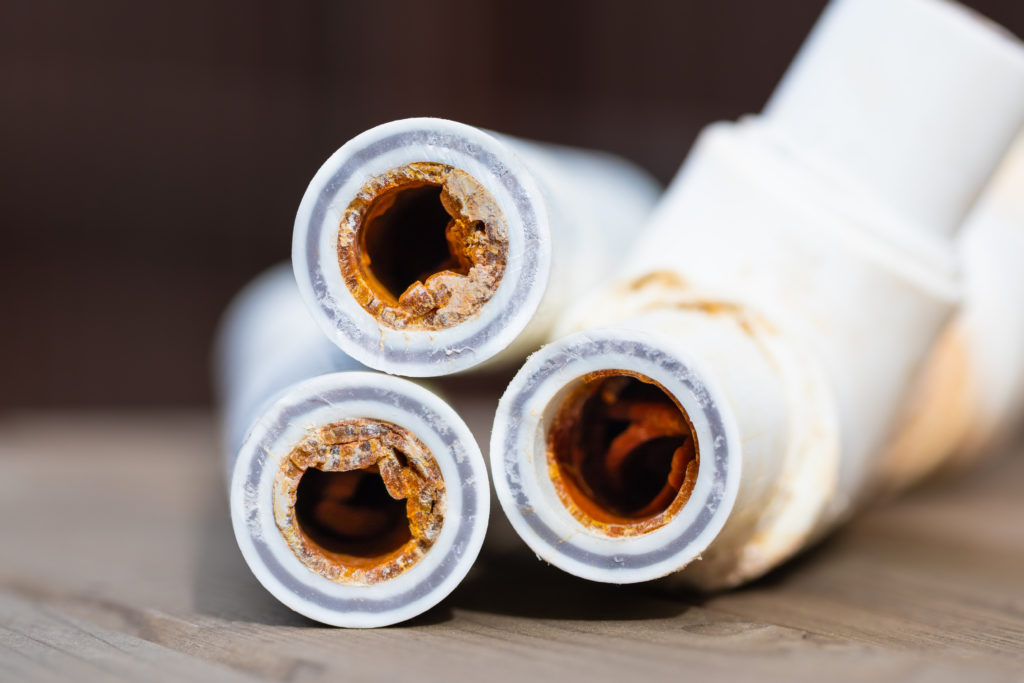
Scale
Water can contain a variety of dissolved substances, including minerals like calcium and magnesium, which can deposit on the surfaces of pipes and water applications to form scale, a buildup of solid scale-like material on the surface of water applications like a heat exchanger. These deposits can build up and reduce efficiency, and even damage equipment.
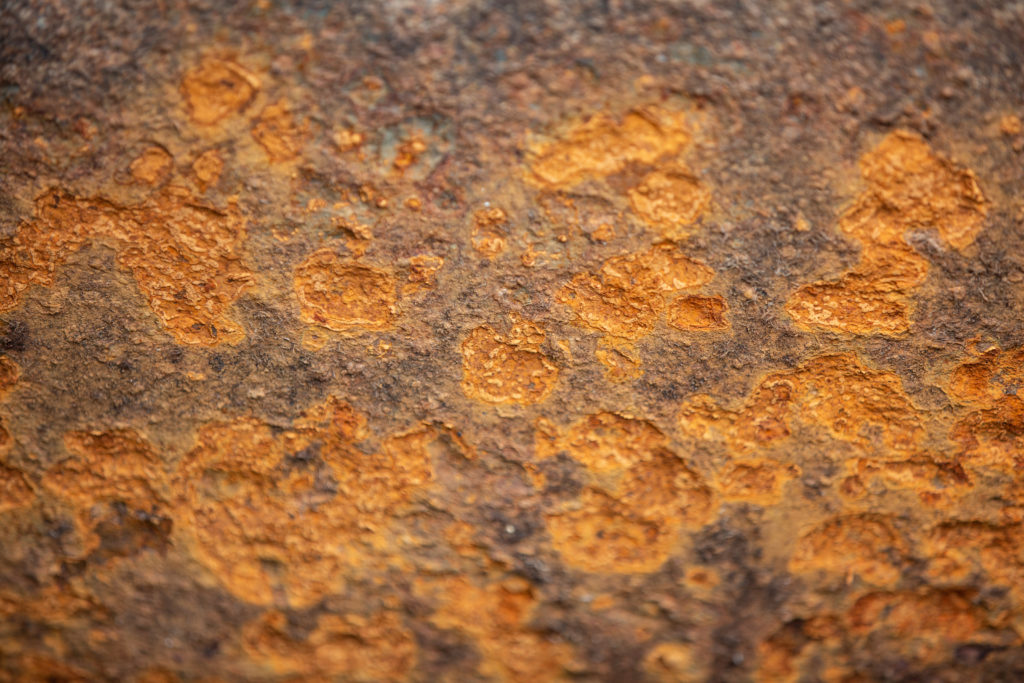
Corrosion
Corrosion occurs as water slowly dissolves metals within a water system, leading to deterioration, weakening, or even rupturing. The exact damage caused by corrosion depends on several factors, including specific water chemistry, water temperature, flow rate, and more. If corrosion gets out of hand, it can lead to leaks or burst pipes.
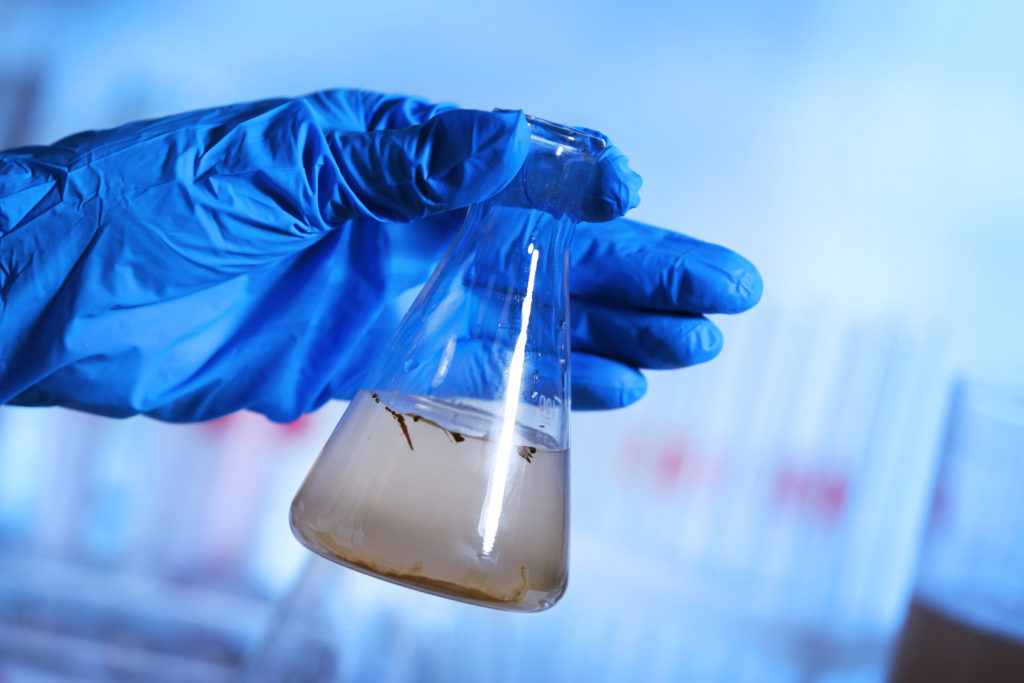
Fouling
‘Fouling’ is a general term used to describe the presence or accumulation of unwanted material in water or on a component such as a heat exchanger. This can include scale, general dirt and debris, dissolved metals, or biological matter or bacteria, and can impede the usefulness of an application.
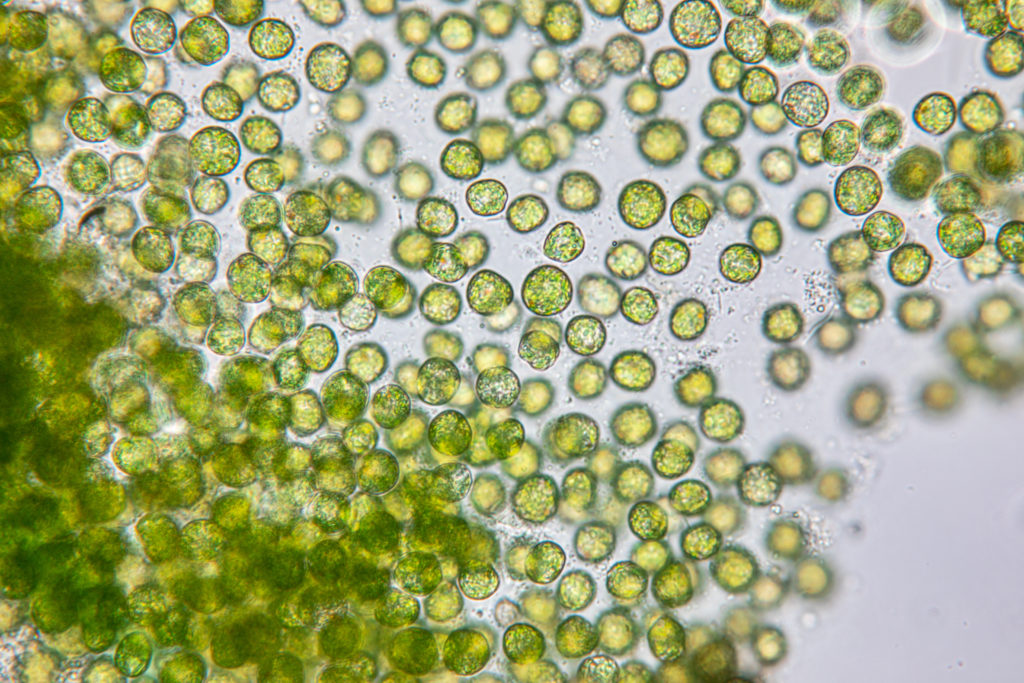
Biological Growth
Biological growth is the undesirable growth and development of microorganism, plants, algae, biofilm, or other biological components in a water system. This bio-growth can negatively impact efficiency, as well as lead to the formation of harmful bacteria such as legionella.
Is your Water Safe?
Protecting your water-based applications from these common water treatment issues will help ensure their maximum working lifespan, as well as save trouble for you and your team. A water treatment specialist can analyze your water and examine your applications to create a custom treatment plan to suit your specific needs. If you have any questions or want to know more about water treatment, contact us. One of our water treatment specialists would love to hear from you!
Power Plant Water Treatment
Power plant water treatment is one of the most important factors in reliable, efficient power generation. So if you operate or design a plant, now is the time to review your water systems with a qualified industrial partner. By understanding how power plant water treatment works from intake to discharge,…
Cooling Tower Water Management
Cooling tower water treatment is more than keeping a basin full and adding chemicals on a schedule. It is a coordinated program of testing, treatment, cleaning, control, and monitoring that helps cooling towers run efficiently, use water wisely, and avoid problems like scale, corrosion, fouling, and microbial growth. If your…
who can help us with healthcare st108 compliance?
Choosing who can help you with healthcare ST108 compliance is now a critical decision for many hospitals, surgical centers, or clinics that reprocess reusable medical devices. The right water treatment partner can make the process far less overwhelming. If your facility needs support meeting ANSI/AAMI ST108 water quality standards, contact…
BWRO (Brackish Water Reverse Osmosis)
BWRO, or brackish water reverse osmosis, is a proven way to turn saline groundwater or other moderately salty water into usable process water, potable water, or feedwater for other operations. If your facility is dealing with elevated TDS, scaling risk, or unreliable source water, a BWRO system may be the…
Data Center Water Treatment
Most data centers depend on water to keep powerful servers cool, protect equipment, and support growing AI workloads. Treating that water properly is critical to reliability, efficiency, and sustainability. When a data center invests in the right water treatment program, it can reduce downtime, cut operating costs, extend asset life,…
Boiler Scale
Boiler scale is one of the most common and costly problems in steam and hot water systems, but it’s also highly preventable with the right water treatment program. If you’re seeing rising fuel bills, unexpected shutdowns, or visible deposits, talk with our team today about a boiler scale assessment and…
Desalination Water Treatment
Desalination is transforming how industries, utilities, and coastal facilities secure reliable water in the face of growing scarcity, and seawater reverse osmosis (SWRO) is at the heart of that shift. If your operation relies on dependable process water, now is the time to explore how an engineered desalination solution can…