

ST108 Water Treatment
Trusted by industry leader
TRUSTED BY INDUSTRY LEADERS

ANSI/AAMI ST108 is the new water quality standard that tells healthcare facilities exactly how clean their water must be for cleaning, disinfecting, and sterilizing reusable medical devices—so if you’re responsible for sterile processing or facilities, now is the time to act on ST108 water testing and partner with a specialized water treatment provider like Fact Water Co. to get ahead of surveys and protect patients.
What is ST108
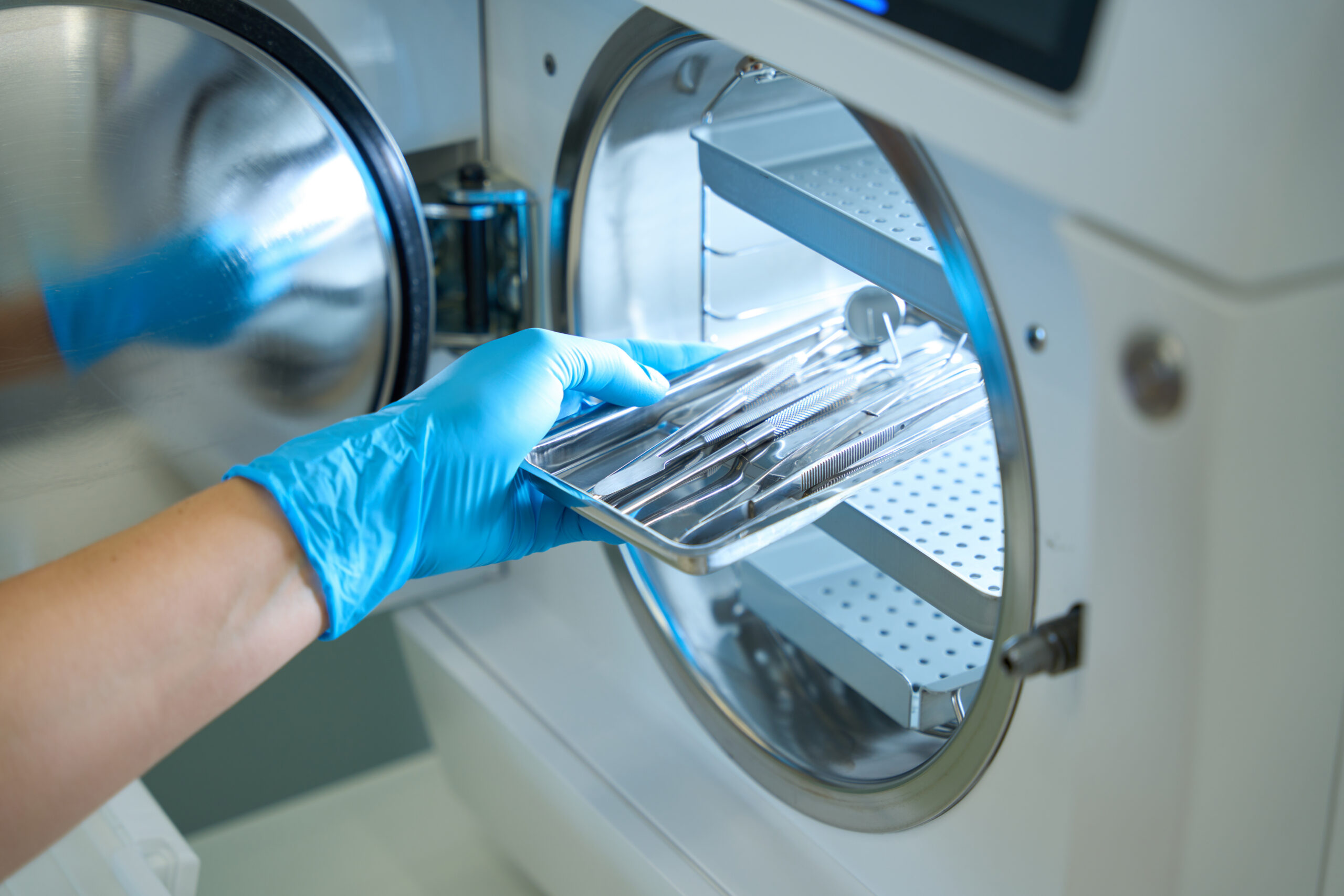
ANSI/AAMI ST108:2023 is a formal standard that defines the water quality needed for every step of reprocessing reusable medical devices, from cleaning through final rinsing and steam sterilization. Unlike the older guidance document TIR34, ST108 is enforceable and is increasingly referenced by accrediting and regulatory bodies such as The Joint Commission and CMS.
ST108 establishes minimum requirements for water quality and steam purity so that water never becomes the weak link in sterilization or disinfection. It provides detailed tables of parameters, limits, and testing frequencies that health systems can use as a blueprint for their water quality management programs.
Why ST108 Matters for Healthcare
For healthcare facilities, ST108 directly ties water quality to patient safety by reducing the risk of microbial contamination, endotoxins, and residues on instruments. Poor-quality water can contribute to device damage, staining, scale, and sterilization failures, ultimately increasing infection risk and rework in sterile processing departments.
Because ST108 is an ANSI standard, its requirements are being incorporated into expectations from accreditation bodies and may be referenced by other standards and equipment warranties. Adopting the standard now positions facilities for smoother surveys, stronger documentation, and defensible practices in the event of adverse outcomes or investigations.
Key Water Types Specified in ST108
ST108 organizes requirements around three main categories of water used in medical device processing: utility water, critical water, and steam (including steam condensate). Each category has its own quality targets and ST108 water testing requirements based on how that water is used in the process.
· UTILITY WATER is generally used for initial cleaning and flushing of devices and equipment.
· CRITICAL WATER is used where residues and microorganisms must be minimized, such as final rinses or sensitive device reprocessing.
· STEAM AND CONDENSATE relate to water that is converted to steam for sterilization; its purity impacts both sterilization reliability and instrument life.
ST108 Water Testing Requirements
Under ST108, all three categories—utility water, critical water, and steam systems—must undergo an initial performance qualification that evaluates both chemical and microbiological contaminants. Ongoing ST108 water testing is then required on a routine schedule, often monthly and quarterly depending on the parameter and water type.
Typical parameters specified in ST108 include microbial counts (heterotrophic plate count), endotoxins, dissolved minerals and metals, hardness, pH, conductivity, total alkalinity, total organic carbon, and turbidity. Results must be trended, reviewed by a multidisciplinary team, and tied to clear corrective actions when results fall outside the specified ranges.
What Compliance Looks Like in Practice
Achieving compliance starts with a gap assessment: comparing your current water sources, treatment equipment, and testing program against ST108 requirements for all points of use. Many facilities will find that the underlying equipment is adequate but that monitoring, documentation, and management of deficiencies need to be strengthened to meet the standard.
A compliant program typically includes defined water quality specifications, validated treatment systems (for example, softening, reverse osmosis, deionization, and filtration), written procedures, and a documented sampling and testing plan aligned with ST108 tables. It also requires cross-functional oversight that integrates sterile processing, facilities, infection prevention, clinical engineering, and water treatment partners into a single water management strategy.
Risks of Ignoring ST108
Delaying implementation of ST108 can leave facilities vulnerable to survey findings, warranty issues, and patient safety concerns tied to water quality. Instruments exposed to hard, corrosive, or contaminated water are more likely to pit, stain, or fail, increasing replacement costs and downtime for surgical services.
From a regulatory standpoint, failure to follow a widely recognized national standard can make it harder to defend practices if there is a device-related infection or sterilization
failure investigation. By contrast, demonstrating a structured ST108 water testing and management program shows due diligence and a commitment to best practices.
How Fact Water Co. Supports ST108 Water Treatment
Fact Water Co. specializes in industrial and healthcare water treatment solutions, including high-purity process water systems that align with stringent standards like ST108. Our team can design, install, and support treatment technologies such as reverse osmosis, deionization, advanced filtration, and modular skid-mounted systems to produce consistent utility and critical water for sterile processing environments.
Beyond equipment, Fact Water Co. offers consulting, system audits, and ongoing service to integrate ST108 water testing into your broader water management plan, helping your multidisciplinary team interpret results and respond quickly to out-of-spec conditions. We focus on optimizing water chemistry to protect sterilizers and washers, extend instrument life, and support reliable, compliant operations in sterile processing and surgery.
Next Steps for Your Facility
If you are responsible for sterile processing, facilities management, or infection prevention, now is the time to formalize your approach to ST108 water testing and water management. Begin with a focused assessment of your current water quality, treatment systems, and testing protocols against ST108’s requirements for utility, critical, and steam water.
Fact Water Co. can partner with your team to perform that assessment, recommend treatment upgrades, and build a sustainable monitoring and documentation program that satisfies ST108 and supports safe, efficient care. Contact Fact Water Co. today to schedule an ST108-focused water review and start bringing your facility’s water quality program into full compliance while protecting both patients and equipment.
Ready to Become ST108 Compliant?
Other Popular Services
Looking for something Else?
Cooling Water Treatment
A proper cooling tower water treatment program can maximize the efficiency of a system while also increasing the longevity of the equipment using cooling water. This can reduce the overall cost of repairs and replacements in the future and optimize productivity.
Wastewater Treatment
Our approach to wastewater treatment includes performing testing, like jar testing, prior to determining a program regimen. This allows us to optimize treatment for increased efficiency and better overall results.
PFAS Water Treatment
With the increasing presence of PFAS regulations at both local and national levels, managing PFAS levels in water is becoming a major concern for many facilities. Our PFAS treatment options, including user-friendly skid-mounted systems, ensure a quick installation and smooth integration into your operations.
Deionized Water
At Fact Water, we’ll integrate into your workflow to ensure you get the water and chemicals you need. Whether you need a custom closed loop system, resin regeneration, or a regular tank exchange, we’ll design a system to meet your needs.
Legionella Treatment
We offer tailored assistance in managing water treatment around legionella. This helps reduce health risks associated with legionella while enuring compliance with evolving regulations.