
The Importance of Water Treatment
Whether you utilize steam boilers, make use of cooling towers, need deionized water or something else, water treatment is an important part of making sure your business runs smoothly and efficiently. Failing to treat water correctly can lead to many problems that might cause unwanted plant downtime, premature equipment failure, or a loss of efficiency. Issues related to poorly treated water might be an inconvenience, but is water treatment really necessary? The answer is almost always “yes”! Water that is left untreated, or that is not treated correctly, is susceptible to a number of common water treatment issues that range from trivial to catastrophic. To avoid the latter, and to save yourself some headaches and financial setbacks in the future, water treatment is a must.
What’s in Your Water?
Water treatment issues are varied and many, but a few tend to pop up more commonly than others. All water is different, and many factors determine how your water looks, feels, smells and acts within your water applications. That being said, all water is susceptible to issues if left untreated. Find out what issues we see most commonly, and click the links to find out more about these issues and how you can troubleshoot them.
Scale
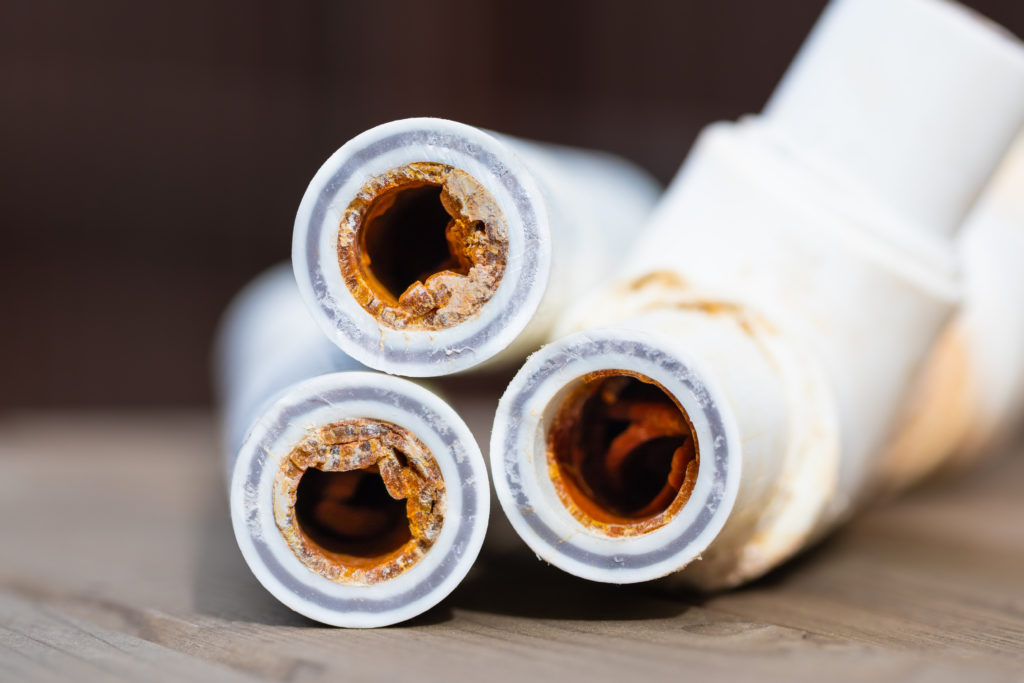
Water can contain a variety of dissolved substances, including minerals like calcium and magnesium, which can deposit on the surfaces of pipes and water applications to form scale, a buildup of solid scale-like material on the surface of water applications like a heat exchanger. These deposits can build up and reduce efficiency, and even damage equipment.
Corrosion
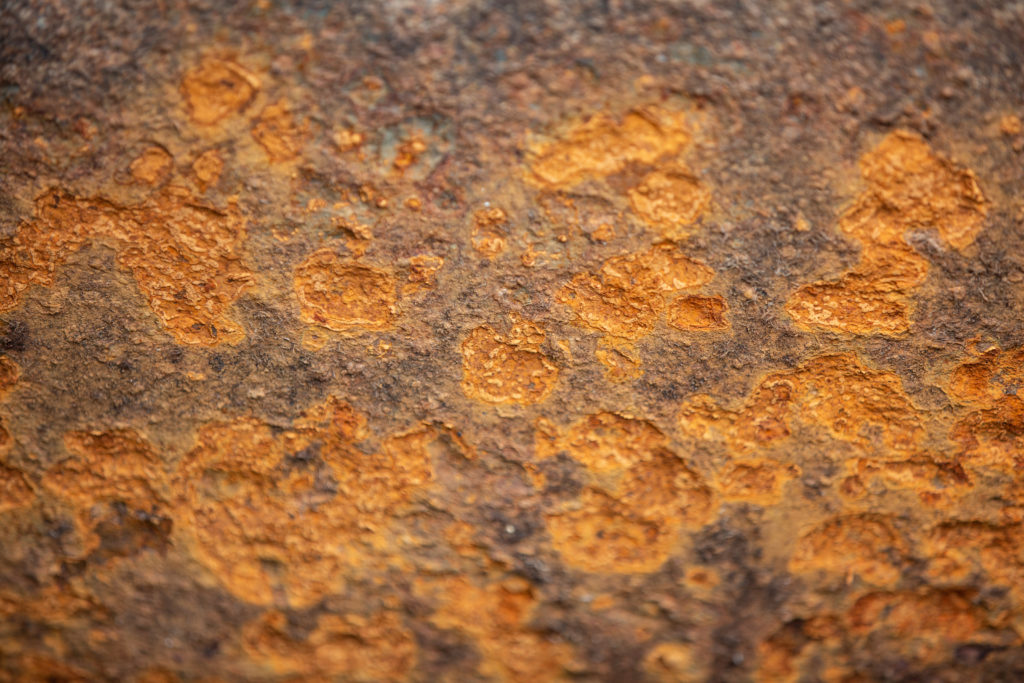
Corrosion occurs as water slowly dissolves metals within a water system, leading to deterioration, weakening, or even rupturing. The exact damage caused by corrosion depends on several factors, including specific water chemistry, water temperature, flow rate, and more. If corrosion gets out of hand, it can lead to leaks or burst pipes.
Fouling
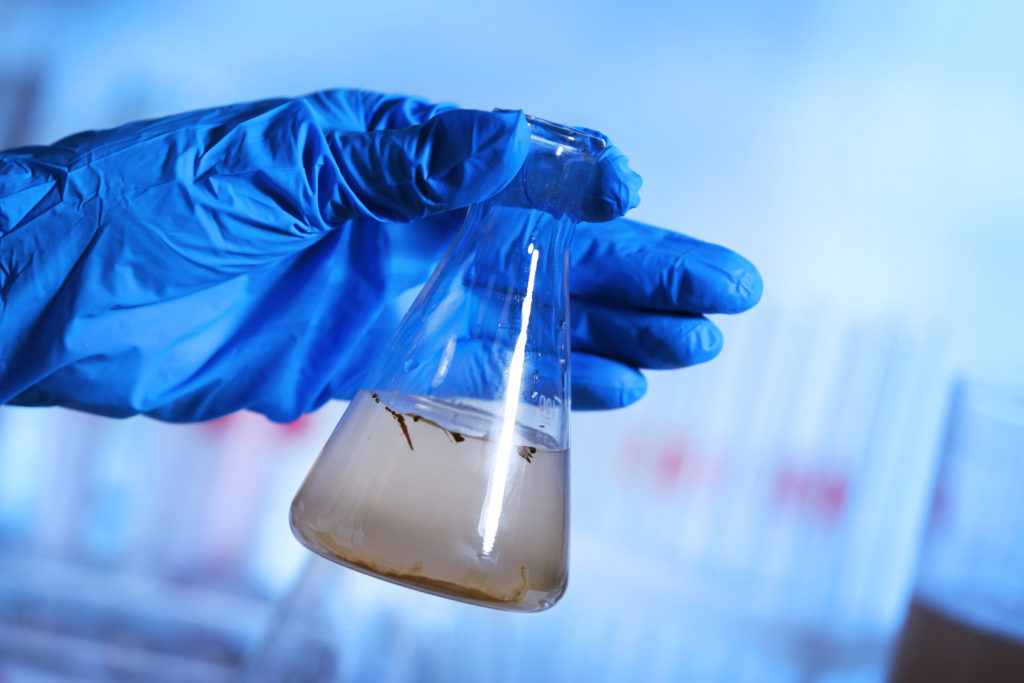
‘Fouling’ is a general term used to describe the presence or accumulation of unwanted material in water or on a component such as a heat exchanger. This can include scale, general dirt and debris, dissolved metals, or biological matter or bacteria, and can impede the usefulness of an application.
Biological Growth
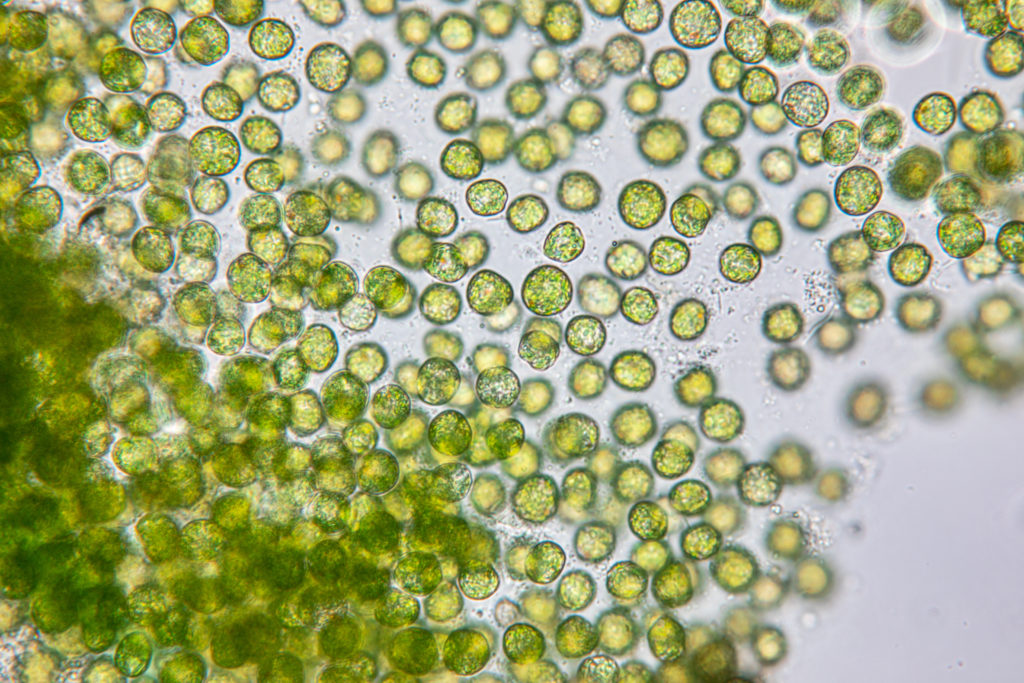
Biological growth is the undesirable growth and development of microorganism, plants, algae, biofilm, or other biological components in a water system. This bio-growth can negatively impact efficiency, as well as lead to the formation of harmful bacteria such as legionella.
Is your Water Safe?
Protecting your water-based applications from these common water treatment issues will help ensure their maximum working lifespan, as well as save trouble for you and your team. A water treatment specialist can analyze your water and examine your applications to create a custom treatment plan to suit your specific needs. If you have any questions or want to know more about water treatment, contact us. One of our water treatment specialists would love to hear from you!
How to Diagnose Membrane Scaling vs. Fouling
Reverse osmosis (RO) membranes lose performance for two main reasons: scaling or fouling. While the symptoms may look similar, the corrective actions are very different. Correct diagnosis is critical to restoring system performance without causing damage. Understanding the Difference Scaling is caused by inorganic mineral precipitation—commonly calcium carbonate, calcium sulfate,…
How to Lower Cooling Tower Chemical Costs Without Risk
Cutting cooling tower chemical costs is a common goal—but doing it the wrong way leads to scale, corrosion, fouling, and unplanned downtime. The key is optimization, not underfeeding. Increase Cycles of Concentration Safely Many towers operate conservatively due to fear of scaling or corrosion. With proper water analysis and program…
How Industrial Facilities Can Cut Water Use by 30 Percent
Water reduction targets are becoming a reality across industrial sectors. The good news? Many facilities can cut water use by 30% or more without disrupting production—if they focus on the right areas. Maximize Reuse Before Replacement Final rinse water, RO reject, cooling tower blowdown, and once-through cooling water are often…
Preventing Irrigation Emitter Fouling with RO/UF
Industrial and large-scale irrigation systems increasingly rely on reclaimed or impaired water sources. While reverse osmosis (RO) and ultrafiltration (UF) make reuse possible, emitter fouling remains a major challenge without proper design and operation. Why Emitters Plug Emitter fouling is caused by a combination of suspended solids, biological growth, and…
Why Your Boiler System Has Elevated Iron in Condensate
Elevated iron in boiler condensate is a red flag that something upstream is failing. While iron is expected in raw makeup water, condensate should be essentially iron-free. When iron shows up there, it usually points to corrosion, oxygen intrusion, or operational gaps that can quickly damage boilers, steam traps, and…
Industrial Water Issues Unique to Colorado
Colorado’s geography and climate create several unique challenges for industrial water treatment. Whether you're running a manufacturing facility, a data center, a food plant, or a large cooling operation, the state’s water profile requires a more customized approach than many other regions. 1. Seasonal Water Quality Shifts from Snowmelt Each…
Closed-Loop DI for Rinse Systems: Best Practices
Closed-loop deionized (DI) water rinse systems are essential in industries like electronics, plating, aerospace, medical manufacturing, and precision cleaning. These loops must consistently deliver ultra-low conductivity water to prevent spotting, contamination, and surface defects. To keep them running at peak quality, here are the best practices every facility should follow.…
3 Hidden Causes of Copper Corrosion in Cooling Water Systems
Copper corrosion can sneak up on industrial facilities, often showing up as pinhole leaks, blue-green staining, or sudden heat-exchanger failures. While operators typically look for obvious culprits like low pH or oxidizing biocides, several less obvious causes quietly drive copper degradation in cooling water systems. Here are three overlooked contributors.…
Corrosion vs. Erosion: Not the Same Thing
In industrial water systems, people often use “corrosion” and “erosion” interchangeably—but they’re very different problems with different root causes and different solutions. Misdiagnosing one for the other can lead to wasted money and persistent equipment damage. Corrosion: A Chemical or Electrochemical Reaction Corrosion happens when water chemistry interacts with metal…
Managing High-TDS Waters in Mining
Mining operations—especially those involving evaporation ponds, groundwater extraction, or process reuse—often deal with extremely high total dissolved solids (TDS). High-TDS water can create scaling, corrosion, and mechanical failures that impact production reliability. Managing it effectively requires a balance of chemistry control, physical separation, and smart system design. Why High TDS…